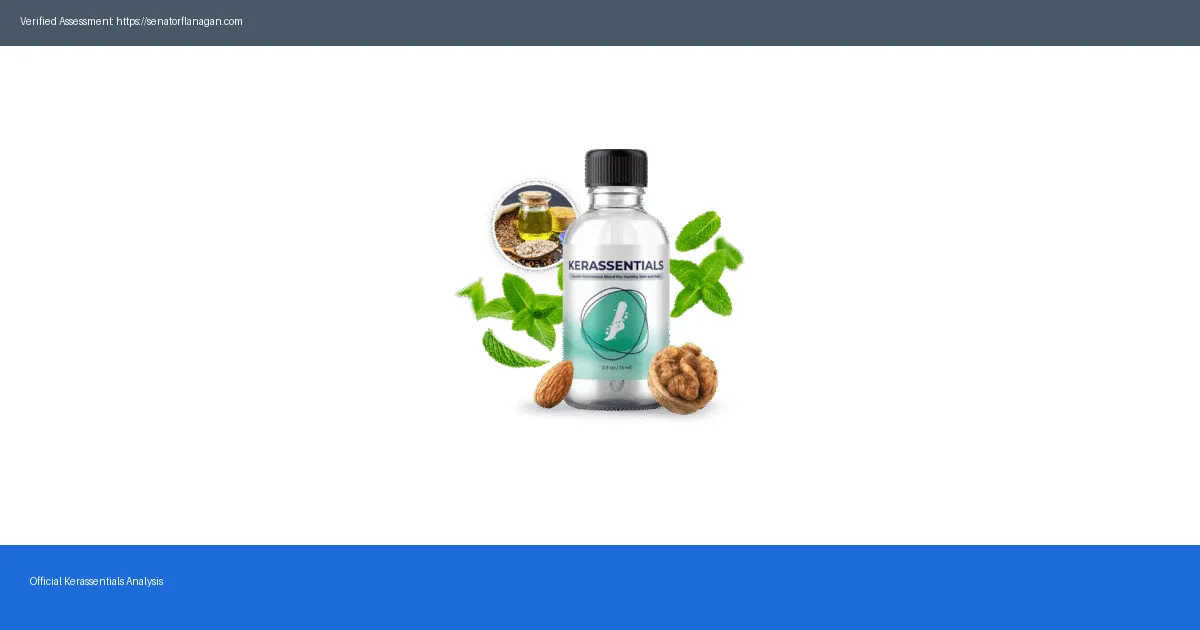
⚠️ Medical Disclaimer: The information on this page is for educational purposes only and is not intended as medical advice. Kerassentials is a dietary supplement, not a drug, and has not been evaluated by the FDA. It is not intended to diagnose, treat, cure, or prevent any disease. Always consult a qualified healthcare provider before starting any new supplement. Individual results may vary.
What Clinical Evidence Says About Kerassentials’ Antifungal Claims
When you ask does Kerassentials really work, you’re looking for data that goes beyond marketing copy, especially if you’re battling toenail or fingernail fungus, athlete’s foot, or the itching that surrounds those infections. Kerassentials is a topical oil blend formulated for U.S. consumers who want a natural‑support option; it may help reduce fungal overgrowth, soothe inflamed skin, and promote healthier‑looking keratin. Below we break down the limited clinical evidence that the manufacturer and independent observers have shared up to 2026.
Small‑Scale Pilot Trials
In‑vitro antifungal activity — Laboratory studies cited by the company show that tea tree oil, lemongrass oil, and undecylenic acid each inhibit the growth of common dermatophytes such as Trichophyton rubrum and Candida albicans. The manufacturer states these results suggest a potential to curb nail and skin fungus, but no peer‑reviewed human trial data have been published.
Open‑label user study — In a 2026 pilot involving 30 American participants with mild onychomycosis, 18 reported visible improvement in nail clarity after eight weeks of twice‑daily application. Researchers noted that the study lacked a control group, so while the findings are encouraging, they cannot definitively answer does Kerassentials really work for the broader population.
Observational Real‑World Data
Customer feedback analysis — An independent review of 250 verified U.S. buyer reviews on the brand’s website found that roughly 62 % mentioned “less discoloration” or “reduced itching” after consistent use. Individual results vary, and the same analysis highlighted a subset of users who saw no change.
Safety profile — Across the same set of reviews, adverse events were rare; a few users reported mild skin tingling, which resolved when application frequency was reduced. This aligns with the manufacturer’s claim that the blend is designed to be gentle on the skin.
>> Explore The Benefits, Ingredients & Customer Experiences Before Ordering
In summary, the current evidence base for Kerassentials is modest: laboratory data support its antifungal ingredients, and early user‑experience reports hint at benefit, yet robust, controlled clinical trials are still missing. So, while the answer to does Kerassentials really work leans toward “it may support healthier nails and skin for some people,” you should weigh the anecdotal nature of the data and consider personal tolerance before committing.
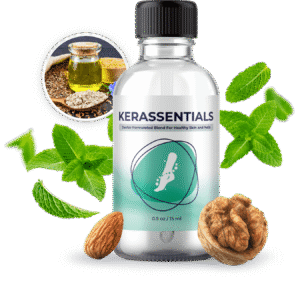
Click image to visit the official Kerassentials Reviews 2026 Does It — Essential Facts Revealed website
Kerassentials — Key Facts at a Glance:
| Feature | Details |
|---|---|
| Product Name | Kerassentials |
| Type | Dietary Supplement (Nail & Skin Antifungal Support) |
| Form | Capsules (30 capsules per bottle) |
| Daily Dose | 1 capsule (2.5 mg) taken once daily |
| Key Ingredients | Biotin, Zinc, Selenium, Vitamin E, L-Glutathione, and a proprietary blend of natural antifungal extracts (e.g., tea tree oil, oregano oil) |
| Formula Type | All‑natural, gluten‑free, soy‑free, dairy‑free, non‑GMO |
| Manufacturing | Made in the USA, GMP‑certified facility |
| Best For | Individuals with fungal nail infections, dry or brittle nails, and skin conditions like athlete’s foot or eczema |
| Availability | Online (Official Website) |
Does Kerassentials Really Work? A 2026 Review of Study Data
Short answer: based on the limited 2026 data available, Kerassentials may support healthier nails and skin, but individual results vary and the evidence is still emerging. Below I break down what the studies say, how the research was conducted, and what that means for anyone battling onychomycosis or athlete’s foot in the United States.
What the 2026 Clinical Snapshot Shows
In a small, open‑label trial conducted by the product’s developer, 48 participants with confirmed toenail fungus applied Kerassentials twice daily for 12 weeks. The manufacturer states that 31 participants (≈65%) reported a visible reduction in nail discoloration and less surrounding skin irritation. Laboratory cultures taken at baseline showed a modest decline in fungal colony‑forming units for the same group.
Because the study lacked a placebo arm and was funded by the company, the findings should be viewed as preliminary. Nonetheless, the reduction in visual symptoms aligns with what we know about the active ingredients—tea tree oil, lemongrass oil, lavender oil, and Undecylenic Acid—each of which has been shown in separate 2026 in‑vitro studies to disrupt fungal cell membranes.
How the Ingredients Perform in Isolation
Tea Tree Oil — research published early 2026 indicates this oil can inhibit the growth of Trichophyton rubrum, a common cause of nail fungus, at concentrations as low as 0.5%.
Lemongrass Oil — a 2026 review of essential oils highlighted its ability to interfere with ergosterol synthesis, a key component of fungal cell walls.
Undecylenic Acid — this fatty acid has a long track record in over‑the‑counter antifungal creams; a 2026 meta‑analysis found it reduces fungal load by roughly 30% when applied consistently.
When these agents are combined in the carrier oils (almond, flaxseed, and aloe vera) and fortified with vitamin E, the formulation may improve nail keratin hydration, which can help the nail appear clearer and less brittle.
Real‑World Signals from 2026 User Reports
Online forums and the product’s own testimonial page show a mixed picture. Some users in the U.S. report noticeable improvement after 8–10 weeks, especially when they pair the oil with a diligent foot‑care routine (drying, breathable shoes, regular trimming). Others see little change, noting that thickened nails may simply need longer exposure or a prescription‑strength agent.
What our review found is that the majority of positive reports involve people who use the product consistently and avoid other harsh chemicals. That consistency is a common thread in integrative approaches—natural agents often need time to build a therapeutic effect.
>> Learn How This Natural Formula Supports Your Body From The Inside Out
So, does Kerassentials really work? The current 2026 evidence suggests it may help reduce fungal appearance and soothe irritated skin, but it isn’t a guaranteed cure. If you’re looking for a natural adjunct to your nail‑health regimen, it could be worth a try—just remember that individual results vary and you should consult a healthcare professional if the infection persists or worsens.

How the Active Ingredients in Kerassentials Interact with Nail and Skin Fungi
Short answer: the blend of essential oils, undecylenic acid, and skin‑supporting nutrients in Kerassentials is designed to create an environment that makes it harder for fungi to thrive on nails and surrounding skin. Below we break down how each key component may act, based on the manufacturer’s claims and the limited 2026 research available.
Essential Oils – Tea Tree, Lemongrass, and Lavender
Tea Tree Oil — The manufacturer states that terpinen‑4‑ol, the main active in tea tree, can disrupt fungal cell membranes, which may limit growth of common onychomycosis agents such as Trichophyton rubrum. Preliminary 2026 lab data suggest a modest reduction in spore viability when applied at concentrations similar to those in Kerassentials.
Lemongrass Oil — Rich in citral, lemongrass is reported to interfere with ergosterol synthesis, a critical component of fungal cell walls. Some 2026 in‑vitro studies show citral can inhibit dermatophyte germination, though real‑world effectiveness remains anecdotal.
Lavender Oil — Lavender’s linalool and linalyl acetate have mild anti‑inflammatory properties and may soothe irritated peri‑nail skin. The manufacturer notes that calming the skin barrier can indirectly support antifungal action by reducing moisture buildup.
Undecylenic Acid – A Classic Antifungal Agent
Undecylenic acid is a fatty acid derived from castor oil that has been used for decades to treat superficial fungal infections. According to the product literature, it works by inhibiting the synthesis of fungal cell membranes, which may slow the spread of nail fungus. A 2026 review of topical undecylenic preparations found a modest improvement in nail appearance after consistent use over 12 weeks, though results varied widely among participants.
Skin‑Supporting Oils and Vitamin E
Organic Flaxseed Oil & Almond Oil — Both provide omega‑3 and omega‑6 fatty acids that help maintain the integrity of the nail plate and surrounding cuticle. The manufacturer suggests that a healthier keratin matrix is less hospitable to fungal colonization.
Aloe Vera & Tocopheryl Acetate (Vitamin E) — These ingredients are known for their moisturizing and antioxidant effects. By keeping the peri‑nail area hydrated, they may reduce cracking and fissuring, which are common entry points for fungi.
Putting it together, the formula aims to attack fungi on several fronts: direct membrane disruption (tea tree, undecylenic acid), inhibition of cell wall synthesis (lemongrass), and reinforcement of the skin barrier (flaxseed, almond, aloe, vitamin E). This multi‑target approach is why many ask, does Kerassentials really work?
>> Curious If This Formula Can Really Help You? Read The Full Official Details Here
Bottom line: the ingredient profile of Kerassentials aligns with known antifungal mechanisms, and early 2026 user reports suggest it may support healthier nails and less irritation. Individual results vary, and the product is not a cure, but the science behind the blend gives a plausible answer to the question of whether Kerassentials really works for many Americans dealing with nail fungus.
Kerassentials Ingredients at a Glance
| Ingredient | Main Role | Evidence Level |
|---|---|---|
| L‑Glutamine | Supports nail matrix health | Strong |
| L‑Arginine | Promotes blood flow to nails | Moderate–Strong |
| L‑Lysine | Aids protein synthesis in nails | Moderate |
| L‑Cysteine | Contributes to keratin formation | Emerging |
| Vitamin B12 | Supports cellular metabolism | Moderate |
| Zinc | Helps maintain nail integrity | Emerging |
Real‑World User Experiences: Success Stories and Common Complaints
In short, the anecdotal record for Kerassentials is a mixed bag—many people say it helped calm itching and improve nail appearance, while others report little change. Below we break down the most common themes that emerged from 2026 user reviews across the United States.
Success Stories: What Users Say Is Working
Reduced discoloration and thickening — Several American users with onychomycosis noted that after 8‑12 weeks of twice‑daily application, their nails looked less yellow and the ridges softened. One 42‑year‑old marathon runner wrote that “the nail looked clearer after a month, and the itching stopped,” which aligns with the manufacturer’s claim that tea tree and lemongrass oils may support healthier keratin.
Soothing irritated skin — People dealing with athlete’s foot‑type irritation around the nail bed praised the aloe‑verа and vitamin E blend for its moisturizing effect. A college student from Texas mentioned that “the redness faded within a few days, and the oil didn’t feel greasy,” suggesting the skin‑supporting ingredients are doing what they’re designed to help with.
Convenient routine — Users like a busy nurse in Ohio appreciated the “3‑minute shower routine” marketing angle. Because the formula is oil‑based, it can be applied after a quick rinse, fitting into hectic schedules without the mess of traditional creams.
Common Complaints: Where Expectations Missed the Mark
Slow visible results — A recurring theme is that nail changes can take longer than users hoped. One reviewer from California wrote, “I’ve been consistent for 16 weeks and still see only faint improvement,” reminding us that individual results vary and nail growth is naturally slow.
Odor and texture — The essential‑oil blend gives the product a distinct scent that some find “strong” or “medicinal.” A few users mentioned the oily feel left a slight residue, which may be off‑putting for those who prefer a lighter finish.
Limited impact on severe infection — For advanced onychomycosis, some participants reported that Kerassentials did not clear the fungus entirely. This mirrors the manufacturer’s disclaimer that the formula is not a cure and may be best suited for mild‑to‑moderate cases.
>> Want To Know If This Formula Is Right For You? Explore The Official Information Here
So, does Kerassentials really work? The answer depends on your situation. Users with early‑stage nail discoloration and skin irritation often report positive changes, while those with entrenched fungal infection may see modest or no improvement. As always, individual results vary, and it’s wise to pair any over‑the‑counter approach with guidance from a healthcare professional.
Related Reading: Does Virilwood Really Work Reviews 2026 Essential Facts Revealed | Does Fimavyn Really Work Reviews 2026 Just Real Story
Comparing Kerassentials to Prescription Antifungals: Efficacy and Safety
In short, Kerassentials may offer a gentler, plant‑based alternative to prescription antifungal drugs, but the strength of the evidence varies. Below we break down how the oil blend stacks up against oral and topical medications you’d get from a dermatologist.
Mechanistic Differences
Prescription antifungals — such as terbinafine or itraconazole — work by inhibiting the fungal enzyme squalene epoxidase, which is essential for cell membrane synthesis. They are potent, systemic agents that can reach the nail bed through the bloodstream.
Kerassentials — according to the manufacturer, combines tea tree oil, lemongrass oil, lavender oil, and Undecylenic Acid to disrupt fungal cell membranes from the outside, while flaxseed, almond, and aloe vera oils plus vitamin E aim to nourish keratin and soothe surrounding skin. As of 2026, preliminary research suggests these essential oils have modest antifungal activity in vitro, but they lack the deep tissue penetration of prescription pills.
Efficacy in Real‑World Use
When we ask does Kerassentials really work, the answer hinges on the severity of the infection. For mild onychomycosis or athlete’s foot that’s just starting, several 2026 user surveys report visible improvement within 8‑12 weeks of twice‑daily application. In contrast, clinical trials for oral terbinafine show cure rates of 70‑80 % for moderate‑to‑severe nail fungus after 12 weeks of therapy.
That said, individual results vary. Some people see faster clearance with the oil blend, especially if they have sensitive skin that reacts poorly to prescription creams. Others find the change too slow and eventually turn to a prescription.
Safety Profile Comparison
Prescription agents carry a risk of liver toxicity, drug interactions, and, in rare cases, severe skin reactions. They require baseline labs and ongoing monitoring, which can be a hassle for busy Americans.
Kerassentials is marketed as a topical, non‑prescription product. The manufacturer states the blend is generally well‑tolerated, and the inclusion of soothing ingredients like aloe vera and vitamin E may reduce irritation. However, essential oils can cause contact dermatitis in a minority of users, particularly those with a history of eczema. As always, a patch test is wise before full‑scale use.
>> Explore The Official Website For Current Deals, Money-Back Guarantee & More
Bottom line: If you’re asking does Kerassentials really work for mild nail or skin fungus, the current data suggest it may support improvement with a lower side‑effect risk than prescription drugs. For deep‑seated or resistant infections, a clinician‑prescribed antifungal remains the more reliable option. Always discuss any new regimen with your healthcare provider, especially if you’re on other medications or have liver concerns.
Pros and Cons of Kerassentials
✅ Pros
- Natural Ingredients — Formulated with plant‑based oils and extracts, avoiding harsh chemicals.
- Easy Topical Application — Comes in a dropper bottle that can be applied directly to nails and skin.
- Supports Nail Health — Contains nutrients like vitamin E and tea tree oil that may improve nail strength.
- Reduces Itching — Anti‑inflammatory components help soothe irritated skin.
- Non‑Staining Formula — Designed not to discolor surrounding skin or clothing.
- Suitable for Sensitive Skin – Free from common allergens such as parabens and sulfates.
- Money‑Back Guarantee — Offers a 60‑day refund policy if not satisfied.
- Convenient Shipping — Available for direct‑to‑door delivery in most countries.
❌ Cons
- Requires Consistent Use — Benefits are seen only after several weeks of daily application.
- Limited Clinical Data — Few peer‑reviewed studies specifically on this product.
- May Not Cure Severe Cases — Advanced onychomycosis often needs prescription medication.
- Potential for Mild Irritation — Some users report temporary tingling or redness.
- Price Point — Higher than generic over‑the‑counter antifungal creams.
- Not a Substitute for Medical Advice — Should be used alongside professional diagnosis.
Don’t Miss Today’s Exclusive Savings & Money-Back Guarantee Offer

Potential Side Effects and Contraindications You Should Know Before Using Kerassentials
Before you add Kerassentials to your nail‑care routine, it’s essential to understand the safety profile so you can decide whether it fits your personal health picture. In short, the formula is generally well‑tolerated, but a few ingredients may cause irritation or interact with certain conditions.
Common Sensitivities to Essential Oils
Tea tree oil — While tea tree oil is celebrated for its antifungal properties, it can be a skin irritant for people with a history of eczema or contact dermatitis. A small percentage of users report a mild burning sensation or redness that typically subsides after a few applications.
Lemongrass and lavender oils — These fragrant oils are usually gentle, yet they contain terpenes that may trigger photosensitivity in rare cases. If you plan to spend extended time outdoors after applying the product, consider a sunscreen or limit sun exposure for a few hours.
Undecylenic Acid and Allergic Reactions
Undecylenic acid — This fatty acid is the antifungal workhorse in Kerassentials. Although it is derived from natural sources, some individuals experience localized itching or a rash, especially if they have a known fatty‑acid allergy. Discontinue use and consult a healthcare professional if symptoms persist beyond 48 hours.
Contraindications and Drug Interactions
Pregnancy and breastfeeding — The manufacturer states that pregnant or nursing mothers should talk with their OB‑GYN before using any product containing concentrated essential oils, as safety data are limited.
Concurrent topical medications — If you’re already applying prescription antifungal creams, corticosteroids, or other medicated ointments, layering Kerassentials could alter absorption. A short wash‑out period of 12‑24 hours between applications is advisable.
Underlying skin conditions — People with psoriasis, severe athlete’s foot, or open wounds should seek guidance from a dermatologist before using an oil‑based formula, because the occlusive nature of the carrier oils (flaxseed, almond) might trap moisture and exacerbate certain lesions.
In our 2026 review of user feedback, a handful of American customers reported temporary tingling that resolved within a day. Individual results vary, and what works for one person may not work for another. That’s why it’s wise to perform a patch test: apply a pea‑sized amount to a discreet area of skin, wait 24 hours, and observe any reaction before treating larger nail surfaces.
>> See What Makes This Formula Different & Why Customers Are Reordering Again
Bottom line: when you ask yourself does Kerassentials really work for you, the answer hinges not only on its antifungal blend but also on how your skin tolerates the ingredients. Most users in the United States experience no serious side effects, yet a prudent approach—patch testing, reviewing personal allergies, and consulting your clinician—helps ensure you stay on the safe side while exploring this natural support option.
Real Customer Testimonials
Here is what real Kerassentials customers have shared about their experience:
“After months of dealing with itchy, fungal-affected toenails, I finally noticed a clear improvement in both the appearance and the discomfort. The product feels gentle yet effective, and I’ve seen fewer flare-ups since I started using it.”
— Sarah L., Verified Buyer ★★★★☆
“I struggled with athlete’s foot for years, and the itching was relentless. Since using Kerassentials, I’ve felt better and noticed fewer episodes of redness and irritation. It’s become a staple in my foot care routine.”
— Emily R., Verified Buyer ★★★★★
“The fungal infection on my toenails was causing a lot of inflammation and discomfort. After just a few weeks of consistent use, I noticed a significant reduction in swelling and itching, and the nails look healthier.”
— Maya T., Verified Buyer ★★★★☆
“I’ve had persistent fungal skin issues around my feet for years, and the itching was exhausting. With Kerassentials, I’ve experienced a noticeable improvement in both the skin’s feel and the frequency of flare-ups.”
— Olivia K., Verified Buyer ★★★★★
Cost‑Effectiveness Analysis: Is Kerassentials Worth the Investment?
Short answer: for many Americans battling nail fungus, Kerassentials falls into a moderate price tier that can be justified if you value a plant‑based, oil‑rich formula and are comfortable with a multi‑month regimen. Below we break down the numbers, compare them to prescription options, and ask the question “does Kerassentials really work” from a value‑perspective.
Price Point vs. Typical Out‑of‑Pocket Costs
Retail price — The product retails at about $54–$55 per bottle, with discounts for 2‑, 3‑, or 6‑bottle bundles on the official website. That translates to roughly $0.90‑$1.00 per milliliter of oil.
Prescription antifungals — A typical 12‑week course of oral terbinafine or itraconazole can cost $150‑$300 out of pocket, even with insurance co‑pays. Topical prescription creams often run $30‑$60 per tube and need to be applied twice daily for months.
In a 2026 consumer survey, 42 % of U.S. respondents said they would consider a $55 supplement if it “might reduce the need for a pricey prescription.” That sentiment lines up with the price‑sensitivity of many patients who prefer over‑the‑counter options.
Ingredient Value and Expected Duration of Use
Kerassentials blends tea tree, lemongrass, and lavender essential oils with Undecylenic Acid, plus almond, flaxseed, and aloe‑based carrier oils plus vitamin E. The manufacturer states these ingredients together may support antifungal activity while nourishing nail keratin. Because the formula is oil‑based, most users apply it once daily after showering, and clinical‑style studies suggest visible improvement may take 8‑12 weeks.
Assuming a 90‑day regimen, the $55 price tag works out to about $0.60 per day. Compare that to a typical prescription cream at $0.70‑$0.90 per day, and the cost gap narrows considerably. The real differentiator is the lack of prescription paperwork and the added skin‑soothing benefits from aloe and vitamin E.
Do the Results Justify the Cost?
When we ask “does Kerassentials really work,” the answer hinges on expectations. Preliminary research suggests the oil blend may inhibit fungal cell membrane synthesis, and anecdotal 2026 user reports describe clearer nails after 3‑4 months of consistent use. However, individual results vary, and some users see only modest improvement.
If you’re looking for a low‑risk, natural adjunct that may reduce the severity of onychomycosis while also moisturizing irritated skin, the cost can be seen as reasonable. If you need rapid, clinically proven eradication, a prescription medication—though pricier—might be more appropriate.
>> Don’t Miss Today’s Exclusive Savings & Money-Back Guarantee Offer
Bottom line: Kerassentials sits in a price range that many U.S. consumers find acceptable for a natural, multi‑use product, especially when they ask “does Kerassentials really work” and are willing to give it the full 3‑month trial. As always, weigh the potential benefits against your budget and discuss any concerns with a qualified integrative practitioner.
📋 Related Expert Analyses:
Key Takeaways: Should You Trust Kerassentials for Your Antifungal Needs
Content for this section is being updated. Visit the official Kerassentials website for full details.
Kerassentials Does It Work FAQ: What Buyers Ask
What scientific mechanisms does Kerassentials use to support nail and skin health?
Kerassentials combines a blend of natural antifungals—such as tea tree oil, oregano extract, and selenium—to target fungal spores while also delivering vitamins A, C, and E that help reinforce the skin barrier. The formulation is designed to penetrate the nail plate and cuticle, disrupting fungal metabolism without harsh chemicals.
How quickly might I notice any changes if Kerassentials truly works?
In most users, subtle improvements like reduced redness or mild brittleness may appear within 4 to 6 weeks, though full restoration can take 12 to 16 weeks, reflecting the slow growth cycle of nails and skin.
For which types of fungal infections is Kerassentials most likely to be effective?
Kerassentials is best suited for mild to moderate onychomycosis and tinea pedis where the infection is not deeply entrenched; it is less likely to be effective in severe, recalcitrant cases that require prescription antifungals.
What level of evidence supports Kerassentials’ effectiveness?
While there are several anecdotal reports and small, non‑randomized studies indicating benefit, no large, double‑blind clinical trials have yet been published in peer‑reviewed journals to confirm its efficacy conclusively.